
Colombia
Supporting Young Children and Families After the Colombia Earthquake
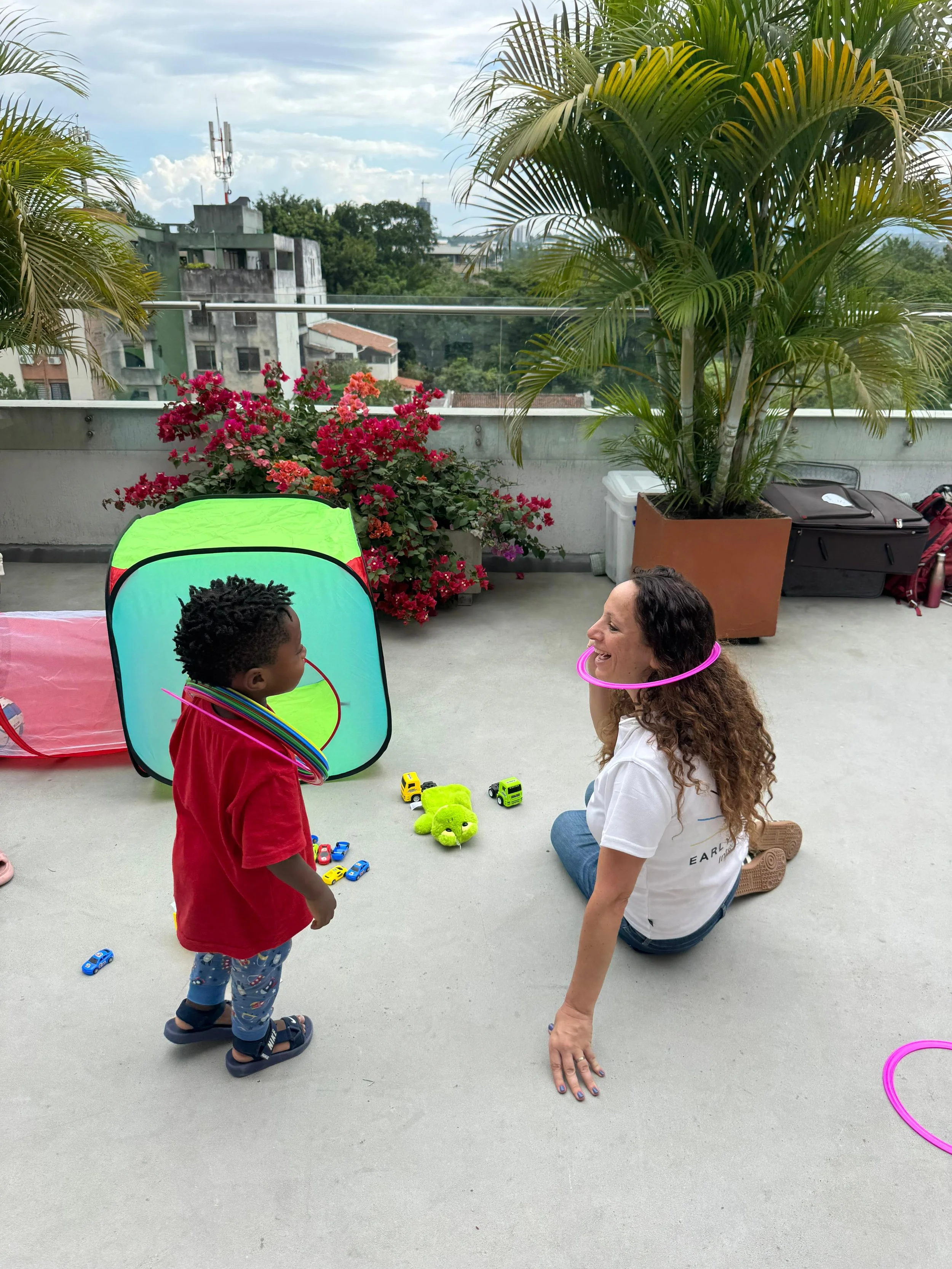
When disaster strikes, young children are among the most vulnerable — and among the easiest to overlook.
Displacement, damaged homes and schools, disrupted routines, caregiver stress, and the loss of familiar environments can have a profound impact during the earliest years of life. For young children, recovery is not only about rebuilding what was physically destroyed. It is also about restoring safety, relationships, routine, play, and the conditions they need to continue developing.
Following the earthquake in Colombia, Early Starters International is deploying an emergency response designed to address both the immediate needs of young children and their families and the longer-term recovery of the systems that support them.
Our approach works at three interconnected levels: providing direct support to children and families, building the capacity of local professionals, and helping strengthen early childhood systems for the recovery ahead.
Safe Spaces for Children and Families
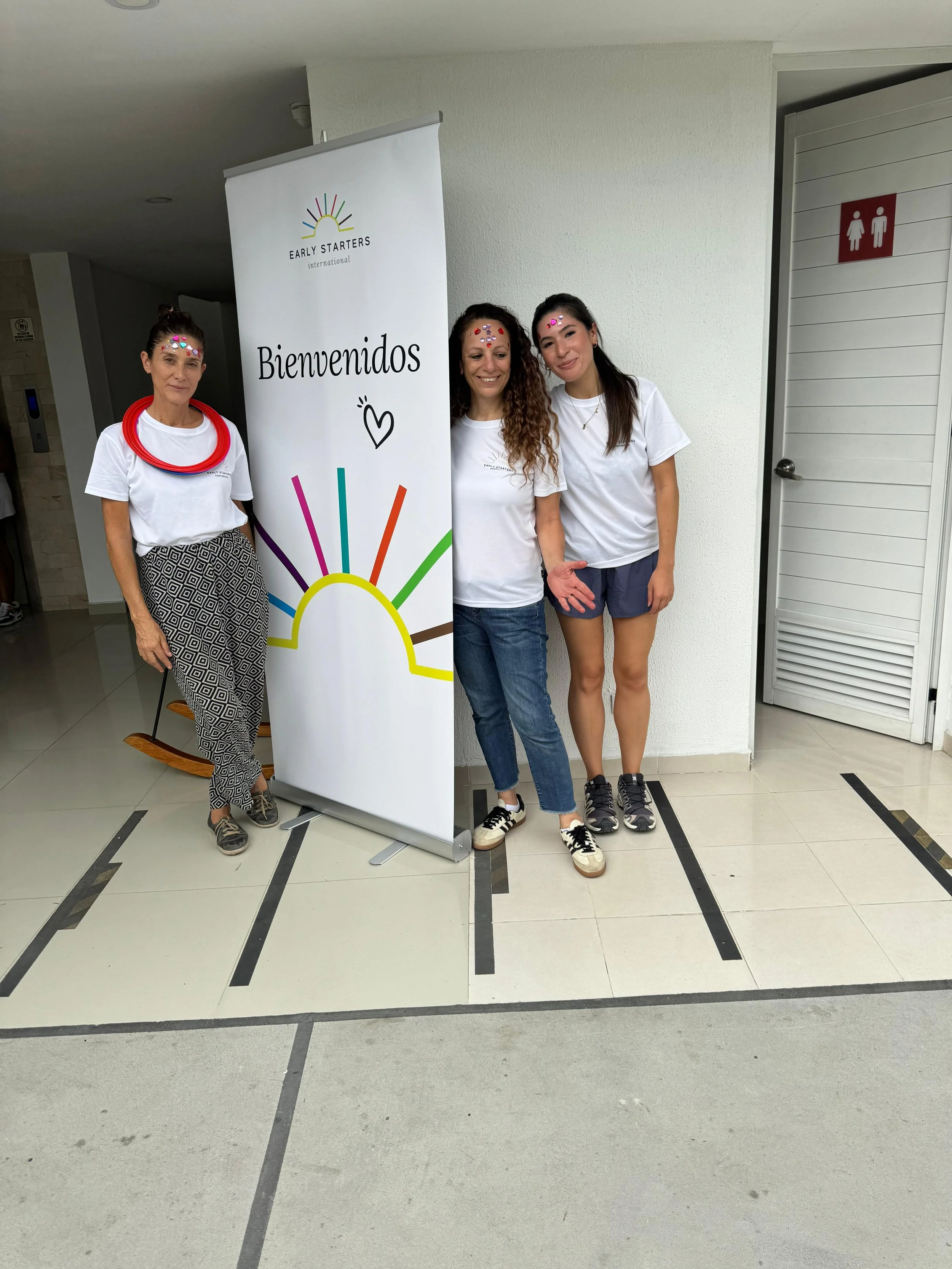
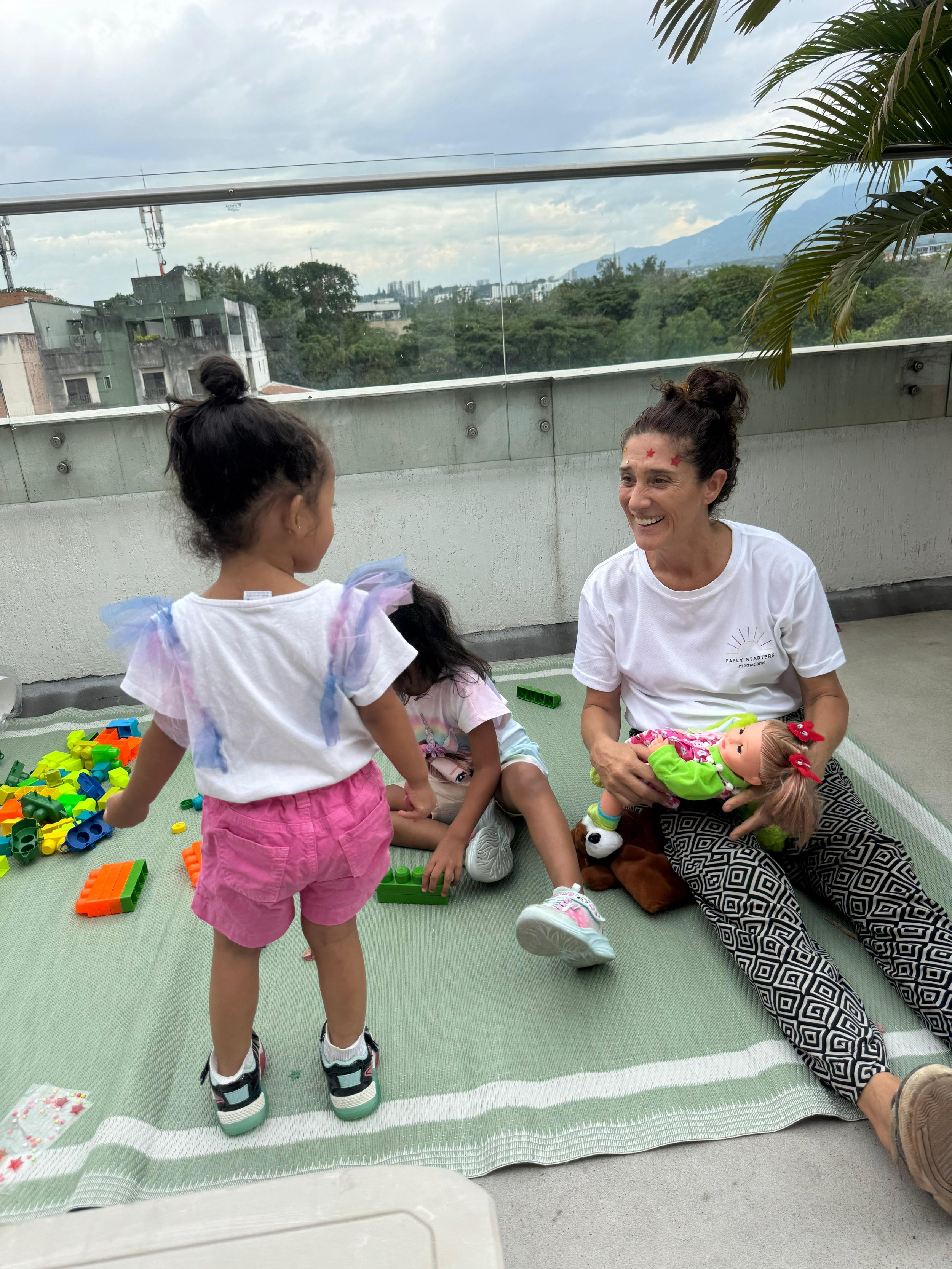
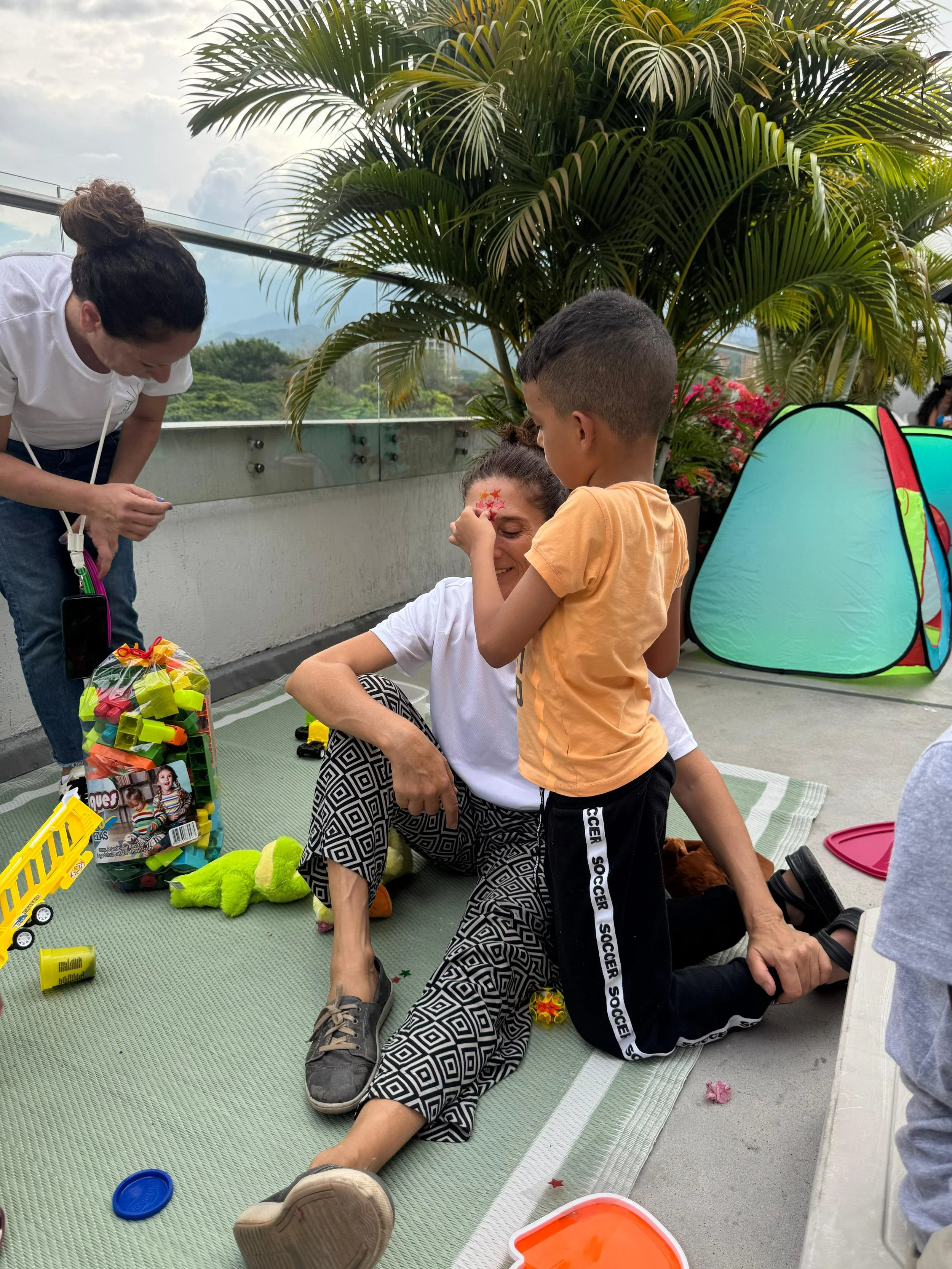
ESI is establishing Safe Spaces for young children and their caregivers in shelters, temporary settlements, and other locations where families affected by the earthquake gather.
These welcoming, developmentally appropriate environments give children opportunities for play, creative expression, social connection, and predictable routines — helping restore a sense of safety and normalcy in the midst of disruption.
Caregivers are an essential part of this response. Alongside activities for children, families receive practical guidance and emotional support, opportunities to connect with other caregivers, and links to additional services when needed.
For children whose homes, schools, and daily lives have suddenly changed, these spaces provide something both simple and essential: a safe place to play, connect, and begin to recover.
Building Local Capacity
A single Safe Space can support dozens or hundreds of children. Equipping local professionals can extend that support to thousands.
ESI works with Colombian educators, community workers, volunteers, shelter teams, and psychosocial professionals, providing practical tools for supporting young children experiencing crisis and displacement.
Our training focuses on understanding how stress and trauma affect young children, creating emotionally and physically safe environments, using play and predictable routines to strengthen resilience, supporting caregivers, and recognizing when a child may need additional professional support.
By building this knowledge within local teams, the response can reach far beyond the children ESI works with directly and remain rooted in the communities themselves.
Strengthening Systems for Recovery
Our work does not end with the immediate emergency.
Recovery also means ensuring that the early childhood and educational systems children return to are stronger, more resilient, and better prepared to respond to their needs after the disaster and in future emergencies.
ESI seeks to work alongside national and local authorities to assess emerging needs, strengthen professional capacity, support the development of trauma-informed educational environments, integrate psychosocial support into everyday early childhood practice, and develop protocols that can guide future emergency responses.
This third level of our work connects humanitarian response with long-term educational recovery — helping communities move beyond rebuilding what existed before toward creating stronger systems for young children and their families.
Our Colombia Mission
ESI's team is deploying to the affected region beginning August 26, 2026, for an initial two-week intensive mission.
During this first stage, our priorities are to:
● Establish early childhood Safe Spaces in shelters and other locations serving displaced families, where children can restore routine, play safely, and begin processing their experiences.
● Train local educators, shelter workers, and frontline professionals in trauma-informed, play-based approaches for working with young children under stress.
● Build partnerships with municipal and local organizations so that early childhood support becomes part of the region's longer-term recovery infrastructure.
ESI is already in conversation with local education and welfare professionals about how this work can be integrated into the region's broader emergency response and recovery efforts.
Why Early Childhood Matters in Disaster Recovery
When earthquakes strike, we naturally count the visible damage: homes destroyed, schools damaged, and communities displaced. But disasters can also leave a less visible impact.
During early childhood, safety, stable relationships, play, and predictable routines are fundamental to healthy development. When these are suddenly disrupted, children need adults and environments that can help them regain a sense of security and connection.
Supporting young children early is therefore not an addition to disaster recovery — it is part of recovery itself.
By combining immediate Safe Spaces, investment in local professionals, and longer-term systems strengthening, Early Starters International aims to help children and families not only endure the immediate crisis, but recover, grow, and rebuild their lives within stronger and more resilient communities.
